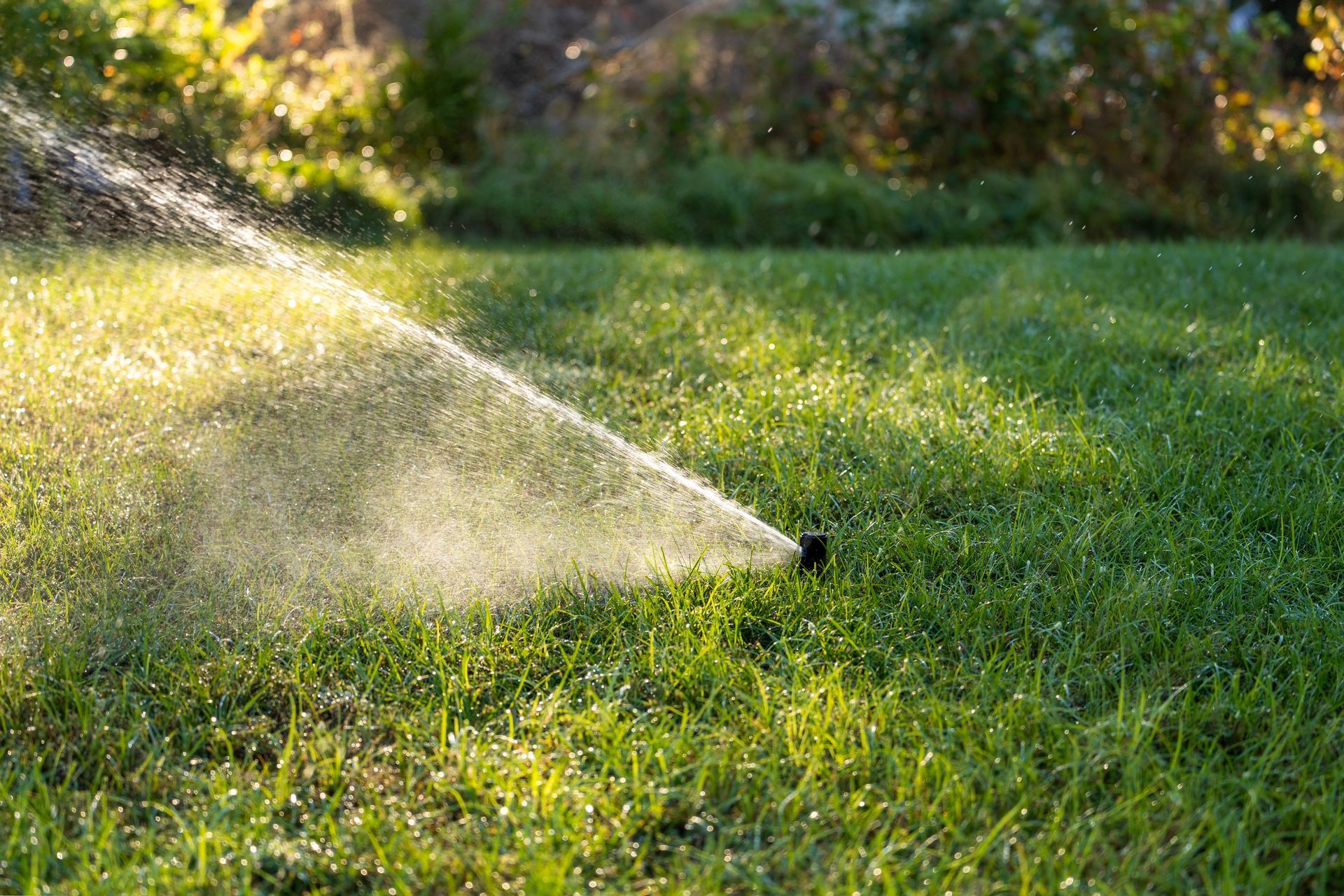
Irrigation Spring Start-Up: Step-by-Step Guide to Avoid Leaks This Year
Tayman Lawn & Landscaping LLC • March 18, 2026
March in Anne Arundel County is when warmer afternoons start showing up, lawns wake up, and homeowners across Annapolis, Severna Park, Arnold, Pasadena, Odenton, Crofton, and Gambrills begin thinking about spring yard prep. If you have an irrigation system, a proper spring start-up is one of the easiest ways to prevent leaks, protect your investment, and avoid surprise water bills once watering season begins.
At Tayman Lawn & Landscaping LLC, we help homeowners get their irrigation systems running efficiently with professional irrigation system start-up, inspections, and repairs. Here’s a practical, step-by-step guide you can follow to reduce the risk of leaks this year.
Why A Spring Start-Up Matters In Maryland
Our winters in Central Maryland bring freeze-thaw cycles that can crack PVC, loosen fittings, and damage sprinkler heads. Even if your system was winterized, small issues can show up when pressure returns. A careful spring start-up helps you:
- Catch leaks early before they saturate soil or wash out mulch
- Prevent uneven watering that stresses turf and landscape beds
- Protect backflow components and valves from pressure damage
- Set your controller for Maryland’s spring rainfall patterns
Step 1: Inspect Before You Turn Anything On
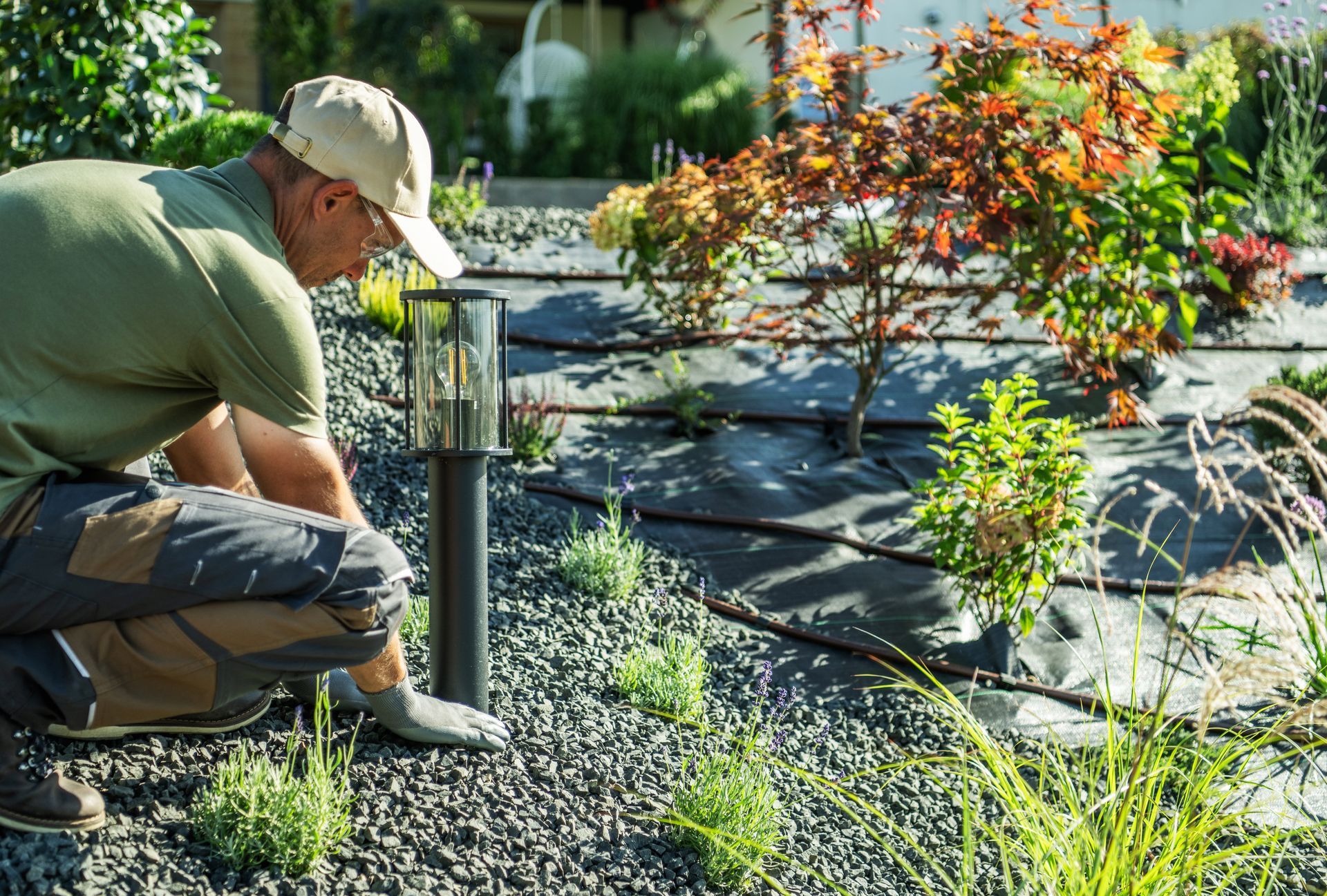
Before opening the water supply, walk the property and look for obvious problems. In Anne Arundel County yards, common trouble spots include sprinkler heads near driveways, walkways, and edging where equipment or foot traffic can bump them.
Check for:
- Sunken, tilted, or broken sprinkler heads
- Cracked risers or exposed poly/PVC lines
- Signs of heaving soil near heads or valves
- Damaged valve box lids and wire connections
- Saturated spots that could indicate a hidden winter leak
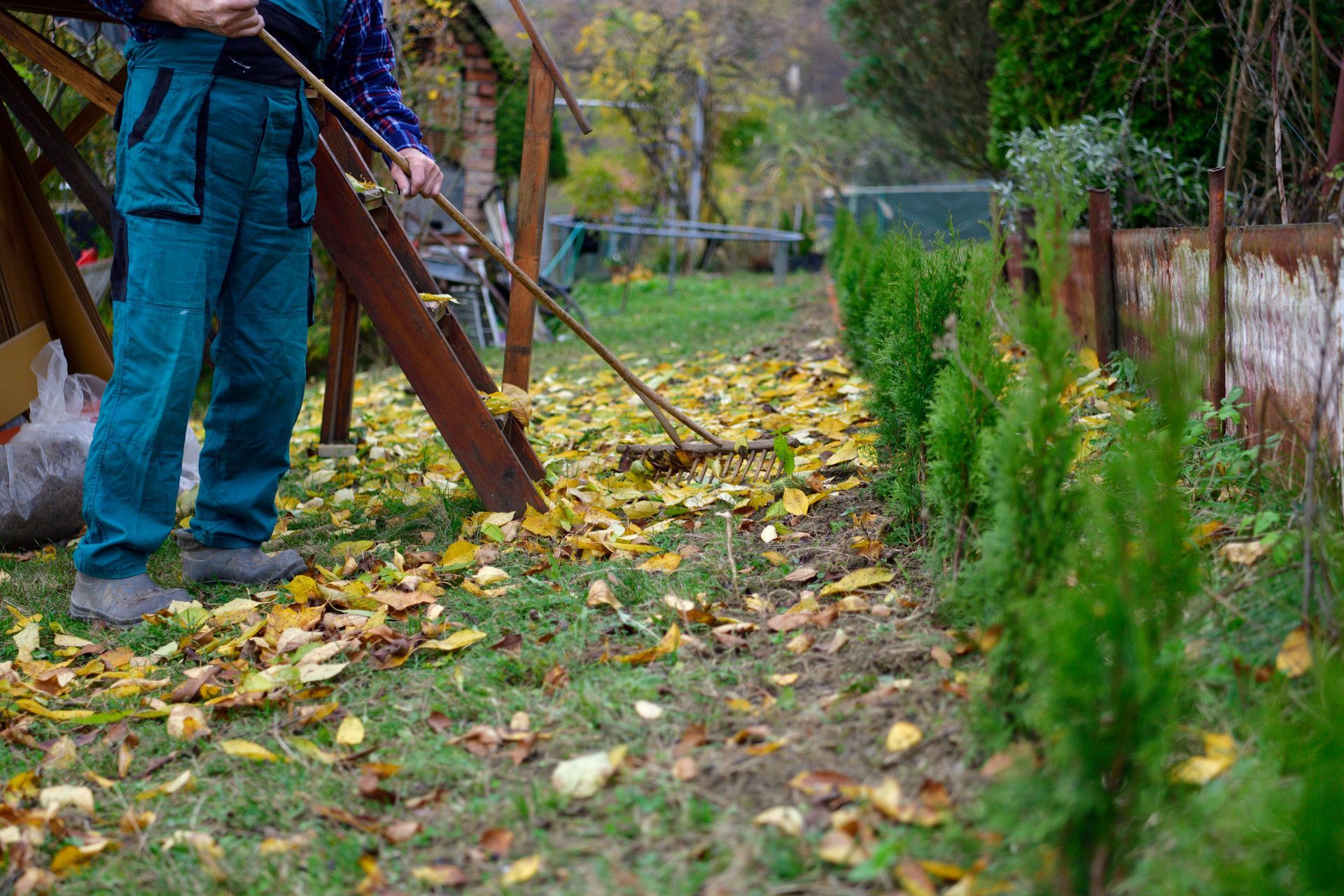
If you’re also planning spring clean-up or mulching this month, do the irrigation inspection first so you don’t cover up valve boxes or problem areas.
Step 2: Open The Main Water Supply Slowly
The fastest way to create a leak is to slam the system with sudden pressure. Slowly open the irrigation shutoff valve (often in a basement, crawlspace, or yard box). Give the system time to pressurize. This reduces the chance of blowing out a fitting or cracking an older line.
As pressure builds, listen for hissing or running water. If you hear it, stop and investigate before proceeding.
Step 3: Check Your Backflow Preventer
In Maryland, many homes use a backflow preventer (often outside near the foundation). Look for:
- Cracks from freeze damage
- Leaking at fittings or test cocks
- Water dripping from the relief valve after pressurizing
If your backflow device is leaking, it’s best to address it immediately. Backflow issues can affect system performance and, in some cases, compliance depending on your setup.
Step 4: Run Each Zone And Watch For Leaks
Turn on one zone at a time from your controller. Let each zone run 2–3 minutes while you inspect.
What to look for:
- Geysering heads (usually a broken head or riser)
- Bubbling at the base of a head (often a cracked fitting)
- Heads that don’t pop up (debris, low pressure, or damaged seals)
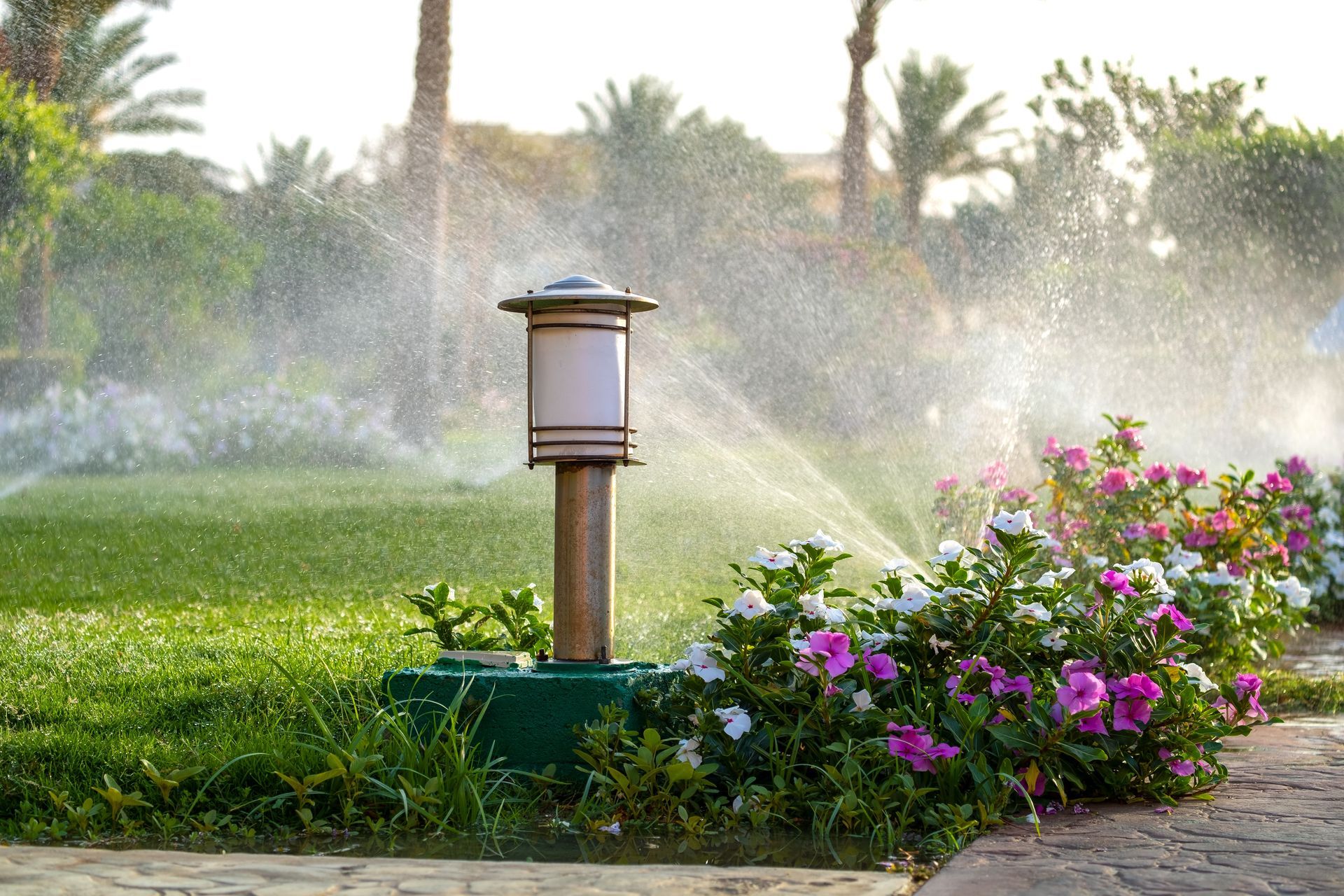
- Misty spray (too-high pressure or wrong nozzle)
- Dry patches (clogged nozzle, misaligned head, or coverage gaps)
This step is where most spring irrigation repairs are identified, especially in established landscapes in Annapolis and surrounding communities.
People Also Ask: When Should I Turn On My Sprinkler System In Spring?
In Anne Arundel County, most homeowners can start up irrigation in late March to mid-April, depending on weather and plant needs. A good rule is to wait until the threat of hard freezes is mostly past and daytime temperatures are consistently above 50°F. Starting too early can risk freeze damage; starting too late can stress new sod, spring plantings, and emerging turf.
Step 5: Adjust Heads For Proper Coverage (And Less Waste)
Once you confirm there are no major leaks, fine-tune spray direction and distance. The goal is to water plants, not pavement.
Quick adjustment tips:
- Aim sprays away from sidewalks and driveways to reduce runoff
- Ensure head-to-head coverage to avoid brown spots
- Replace mismatched nozzles within the same zone to balance output
- Clear debris around heads so they can rise fully
Step 6: Update Your Controller For March Weather
Maryland spring weather can swing from rainy weeks to sudden warm spells. Update your controller with a conservative schedule, then increase only as needed. Overwatering in March can encourage shallow roots and disease.
If your system has a rain sensor or smart controller, confirm it’s connected and functioning before you rely on it.
A Leak-Free Start Sets Up A Healthier Season
A careful spring irrigation start-up can prevent the most common early-season leaks, protect your landscape investment, and help your lawn and plantings thrive heading into late spring. If you’d rather skip the guesswork or you found soggy spots, weak pressure, or broken components, Tayman Lawn & Landscaping LLC can help with irrigation system start-up, troubleshooting, and irrigation system repair across Anne Arundel County, MD.
Call Tayman Lawn & Landscaping LLC today to schedule your March irrigation spring start-up and inspection. We’ll help you avoid leaks, improve coverage, and set your system up for a smooth, efficient watering season.
Share This Blog