Fix a Soggy Lawn: Best Drainage Options After Maryland Spring Rains
Tayman Lawn & Landscaping LLC • April 28, 2026
April in Maryland is beautiful, but it’s also prime time for heavy spring rains, saturated soil, and lawns that feel more like a sponge than a backyard. If you’re in Anne Arundel County—especially around Annapolis, Severna Park, Arnold, Pasadena, Crofton, Odenton, or Edgewater—you may notice puddles that linger for days, muddy patches near downspouts, or turf that thins out every spring.
The good news: a soggy lawn is usually a drainage problem with a fixable cause. Below are the most effective drainage options we recommend at Tayman Lawn & Landscaping LLC to help homeowners reclaim their yards after Maryland spring storms.
Why Maryland Lawns Get Soggy In April
Many local properties deal with a combination of clay-heavy soil, compacted turf from winter, and lots that don’t naturally shed water. Add clogged yard drains and overflowing downspouts, and water has nowhere to go.
Common signs you need lawn drainage in Annapolis-area neighborhoods include:
- Standing water for 24–48 hours after rain
- Spongy turf or footprints that fill with water
- Moss growth and thinning grass in low spots
- Water pooling near patios, walkways, or foundations
- Mulch washing out of beds during storms
People Also Ask: “How Do I Fix A Soggy Lawn Fast?”
The fastest short-term fix is to redirect water away from the problem area (downspout extensions, clearing debris, temporary surface channels). But the best long-term fix is diagnosing where the water is coming from and installing a drainage solution that moves it to a safe discharge point. In many Anne Arundel yards, the real culprit is improper grading or a low spot that collects runoff from neighboring properties.
Best Drainage Options For Soggy Lawns In Maryland
Grading And Lawn Re-Sloping If your yard has settled over time (common in older Annapolis-area properties), water will naturally flow to the lowest point and sit. Regrading creates a gentle slope away from the home and prevents recurring puddles.
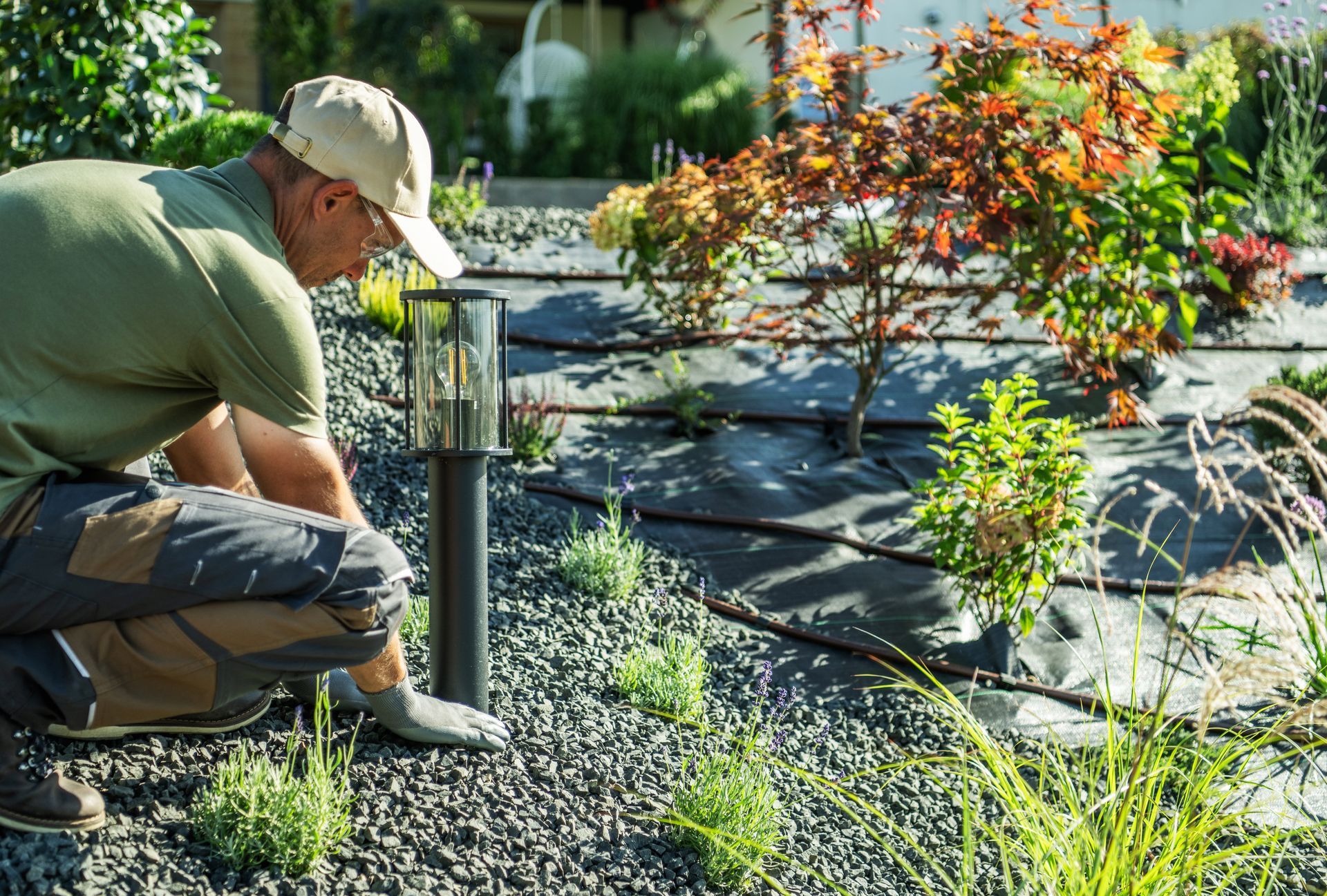
This is often paired with landscape renovation and restoration, especially when turf has been damaged by repeated spring flooding.
French Drains For Subsurface Water
A French drain is one of the most reliable drainage solutions for Maryland spring rains. It uses a gravel-filled trench and perforated pipe to collect water below the surface and carry it away.
French drains work well when:
Water sits in the same area every storm
The yard feels “squishy” even without visible puddles
You have runoff moving toward a patio, basement, or crawlspace
Catch Basins And Downspout Tie-Ins
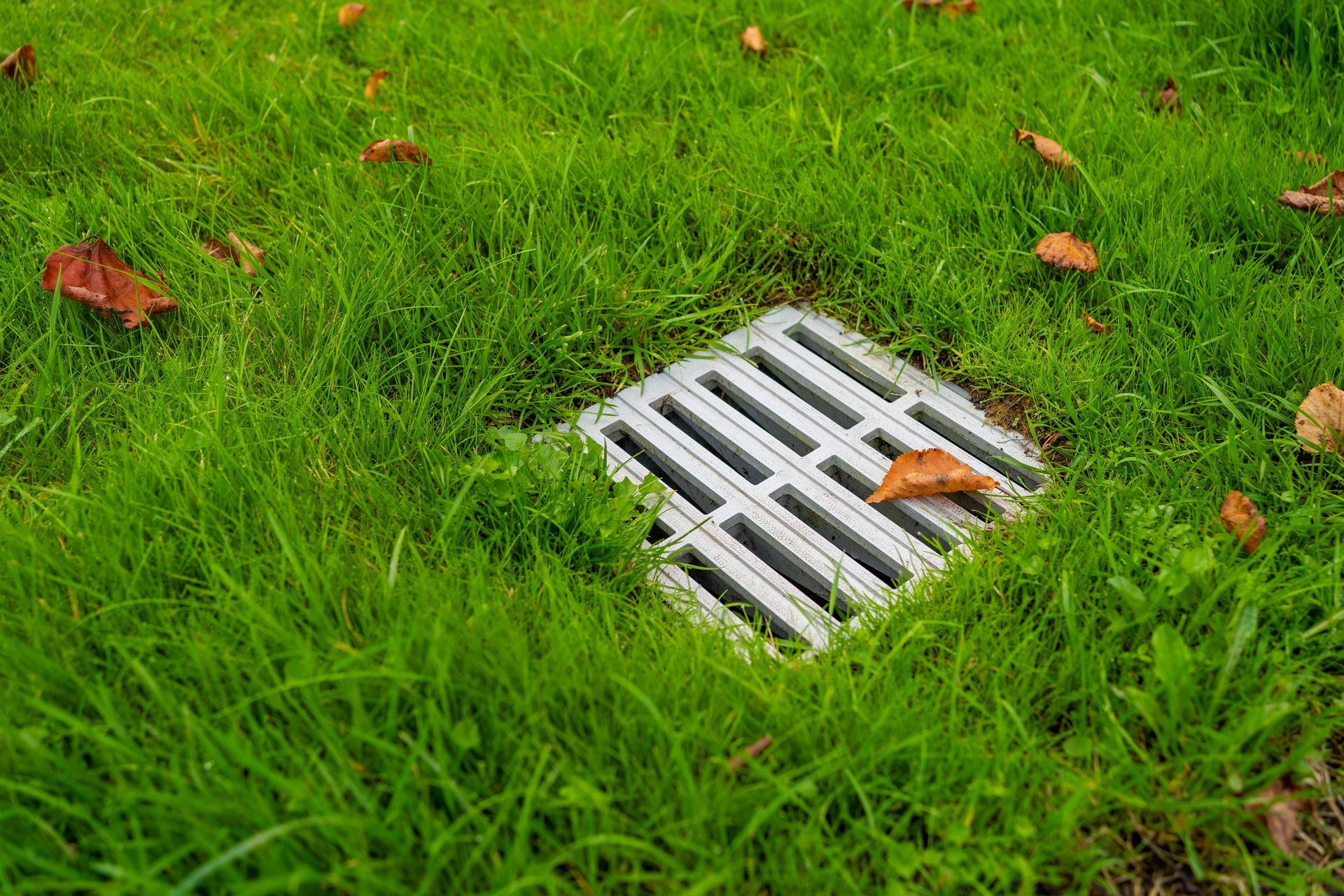
If the worst pooling is near downspouts or driveway corners, a catch basin can collect that fast-moving water and route it underground. This is a smart option for stormwater management because it handles high volume during intense spring downpours.
Pro tip: In April, we often find downspouts dumping right into mulch beds. Connecting downspouts to a proper drainage line helps protect plantings and reduces erosion.
Swales And Dry Creek Beds (Functional And Attractive)
A swale is a shallow, shaped channel that directs surface water across the yard. A dry creek bed is a rock-lined version that looks natural and adds curb appeal—popular in landscape design and installation projects for homes near wooded areas and slopes.
These options are great when you want visible, easy-to-maintain drainage that blends into the landscape.
Aeration And Soil Improvement For Mild Drainage Issues
If you have minor puddling and compacted turf, core aeration and topdressing can improve infiltration. This isn’t a cure-all for major standing water, but it’s effective when combined with proper mowing, lawn maintenance, and seasonal clean-up.
Drainage Mistakes That Make Soggy Lawns Worse
Before you invest in new grass or landscaping, avoid these common pitfalls:
- Adding more topsoil without correcting the low spot (the puddle returns)
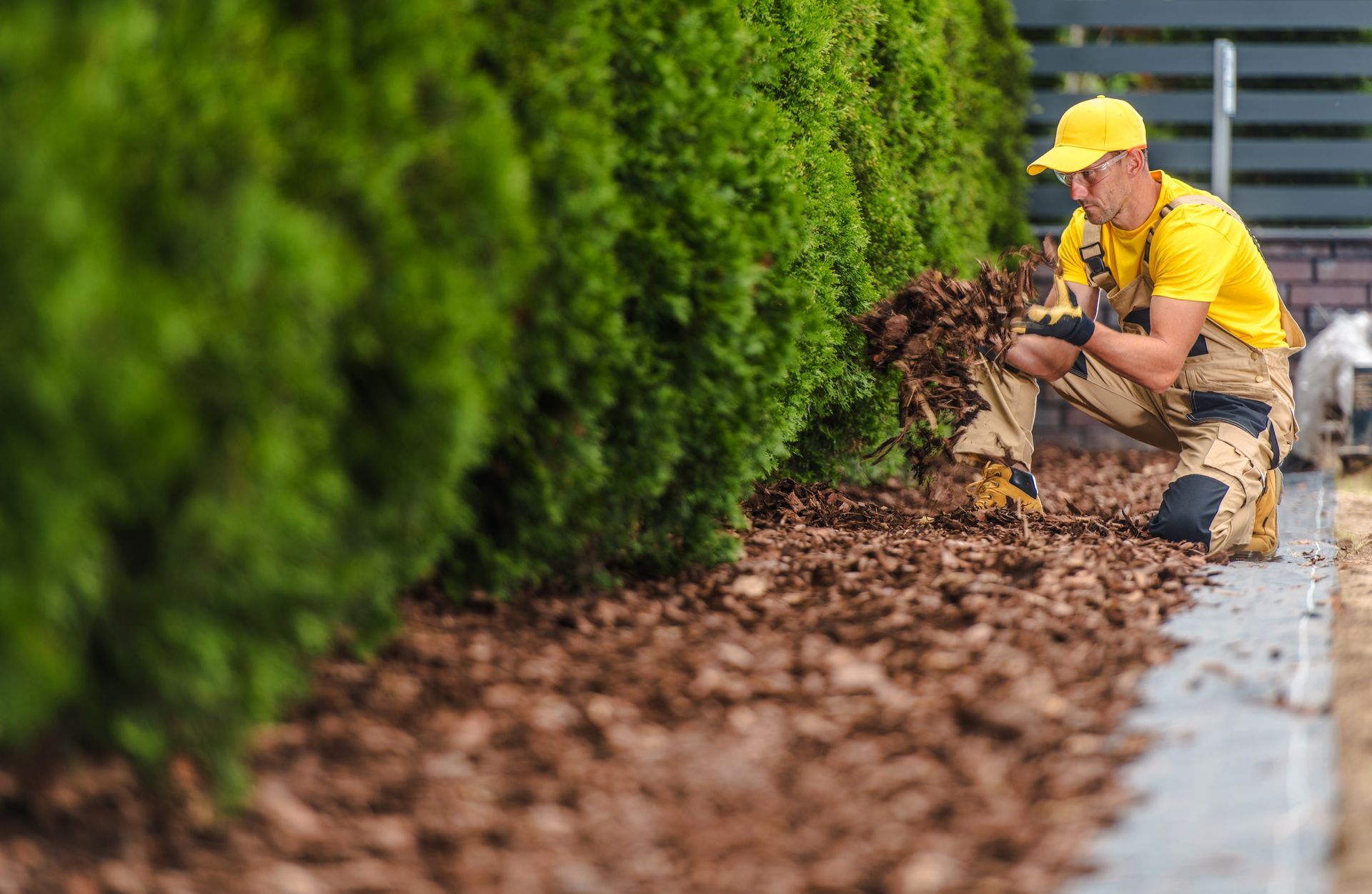
- Installing mulch too thick around drains or downspouts (water backs up)
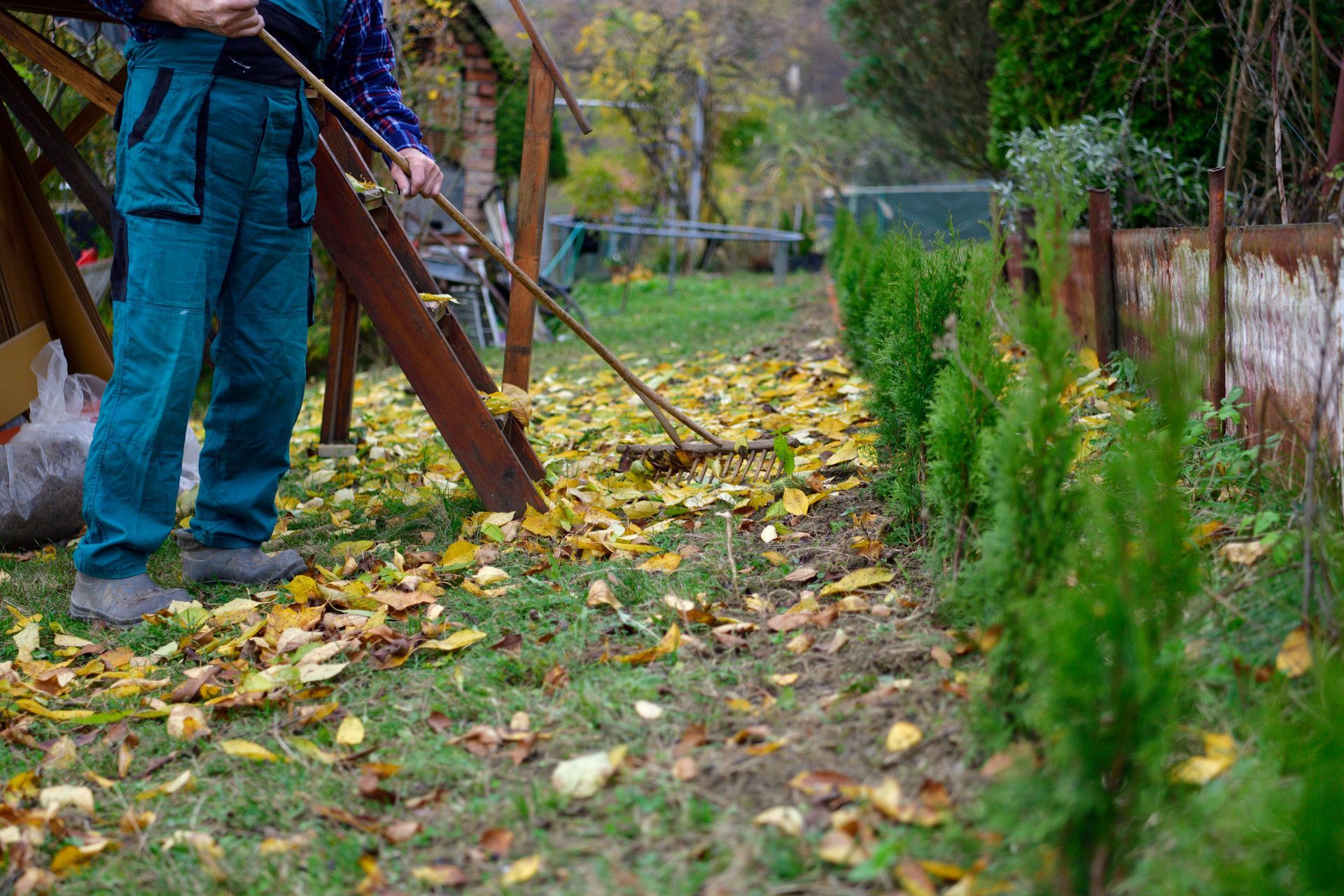
- Ignoring clogged yard inlets after winter debris and spring blooms
- Running irrigation during rainy weeks (an irrigation system tune-up can help)
April Timing Tip: Solve Drainage Before Peak Growing Season
In Maryland, April is the ideal month to address stormwater issues before May’s growth surge. Correct drainage now and you’ll protect spring plantings, reduce mosquito-friendly standing water, and set up better results for lawn renovation or new landscape installation. It’s also a smart Earth Day-season upgrade: managing runoff responsibly helps reduce erosion and keeps excess water from carrying sediment into local waterways.
Ready To Dry Out Your Yard For Good?
If you’re tired of muddy shoes, drowned grass, and puddles after every storm, Tayman Lawn & Landscaping LLC can help with drainage and stormwater management, grading, French drains, catch basins, and landscape restoration throughout Anne Arundel County. Contact us to schedule a site visit and get a customized plan to fix your soggy lawn—so you can enjoy a healthier yard all spring and into summer.
Share This Blog